"I can see it in my head, but how do I explain it?"
You don't need art vocabulary. Share reference images, scenes from your book and a few words about mood. Your illustrator turns that into a rough sketch you can react to.
From a single chapter-header motif to a full fantasy map, our illustrators bring your world onto the page. Every piece starts as a sketch you approve — so the final art matches what you imagined.
Browse the illustration portfolio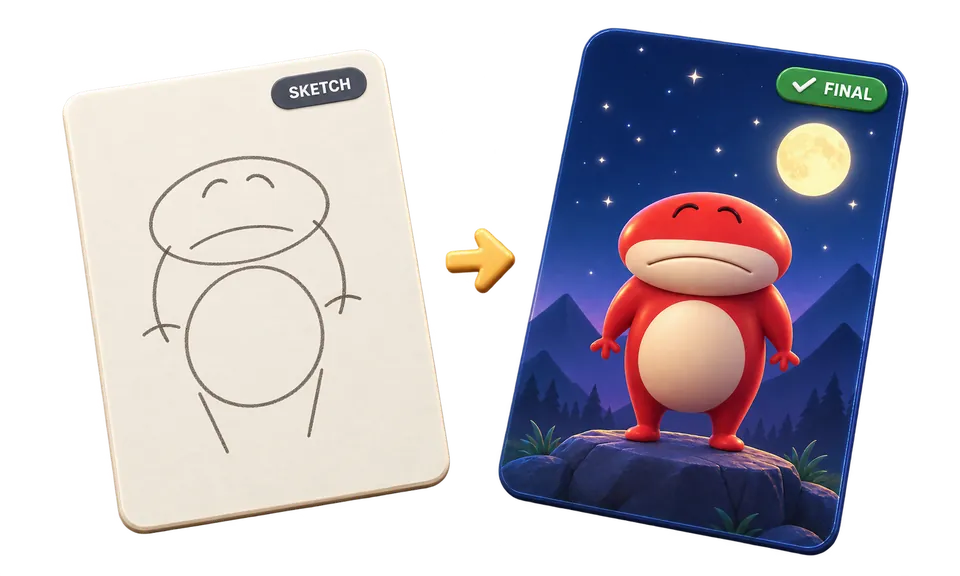
You don't need art vocabulary. Share reference images, scenes from your book and a few words about mood. Your illustrator turns that into a rough sketch you can react to.
We start with a character design sheet — front, side and expression views — that every later illustration follows.
Fewer than you think, often. A handful of well-placed pieces at key moments can do more than one per chapter. We help you pick the moments that matter.
Only if it's created at the right size. We work at 300 DPI or more for the final printed dimensions, with bleed where art touches the edge — try the checker below on existing artwork.
Small motifs and vignettes that give a novel or memoir a crafted, finished feel.
Best for: fiction, memoir, poetry, gift books
Key moments illustrated in full, from a single page to a panoramic two-page spread.
Best for: fantasy, adventure, illustrated novels
Fantasy and historical maps that help readers follow the journey — often the most-shared page in the book.
Best for: fantasy, sci-fi, historical fiction
Clear explanatory illustrations, process diagrams and infographics for business, education and how-to books.
Best for: non-fiction, workbooks, textbooks
Every book needs a different mix. Filter by format to see how each one works, then click any piece to view it full size.
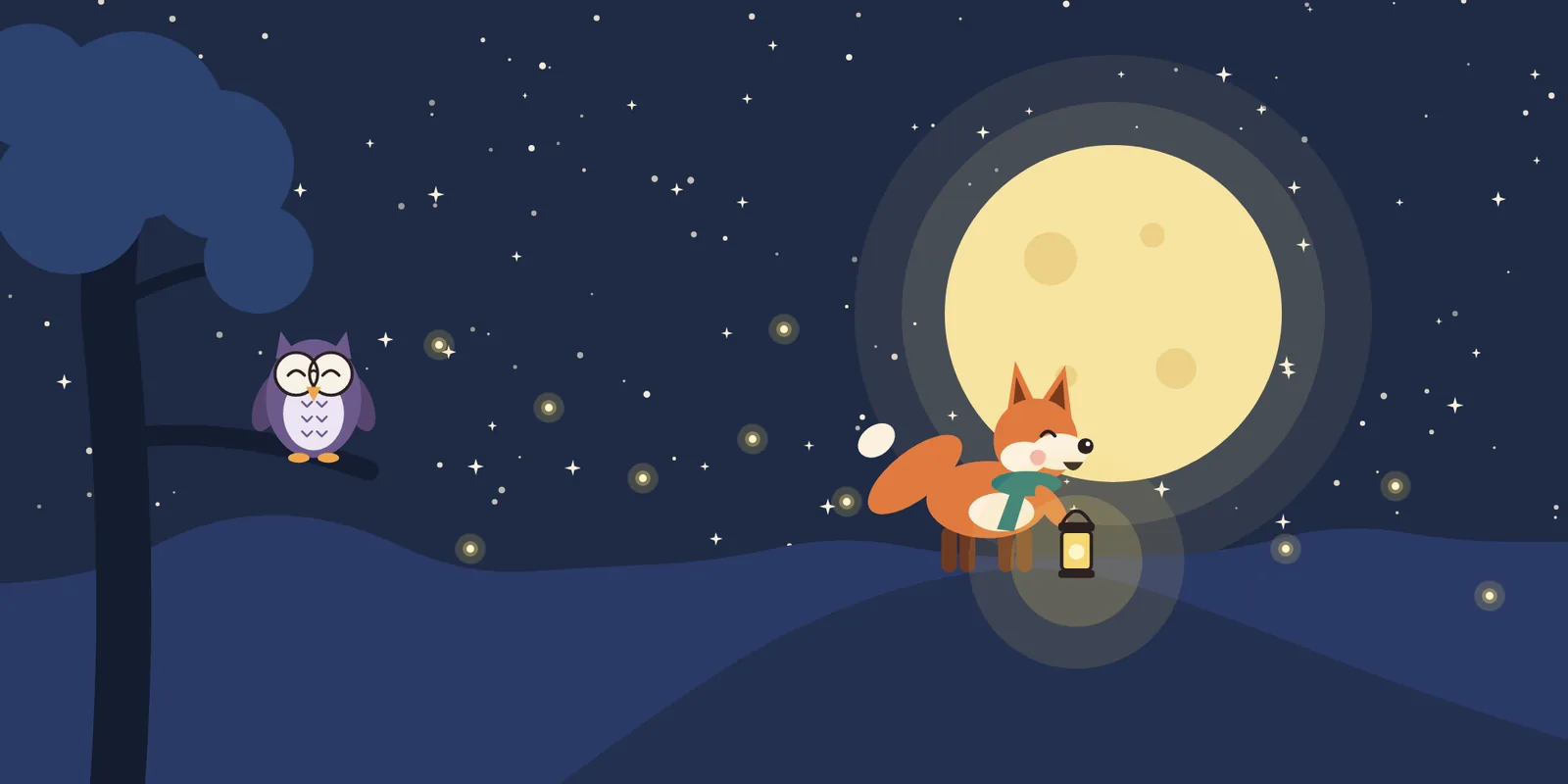
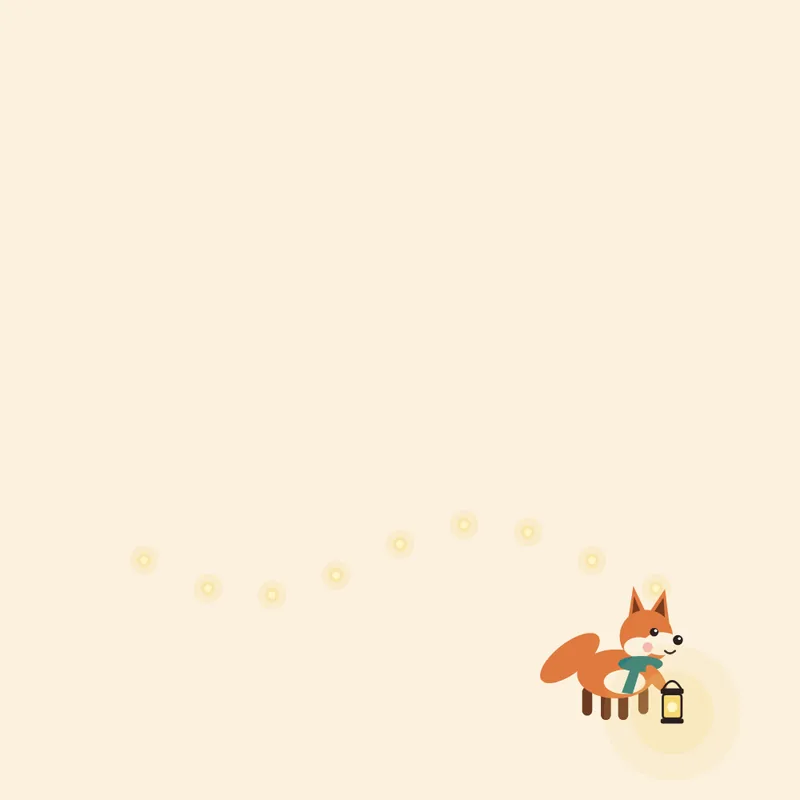
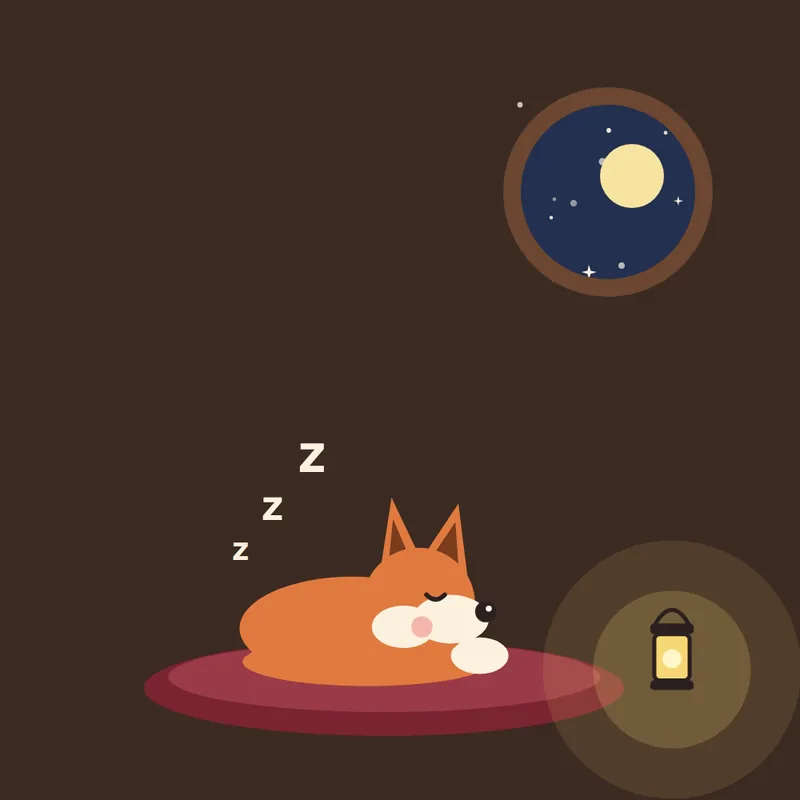
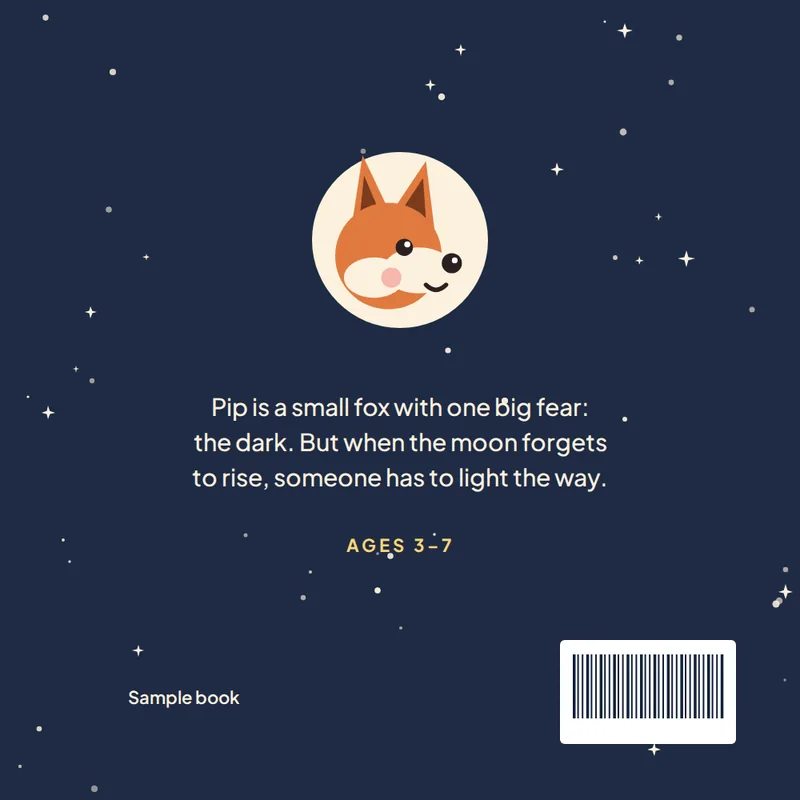
Illustrations are designed for the page turn. Notice how the two-page spreads carry the art across the gutter, and where space is left for the words.
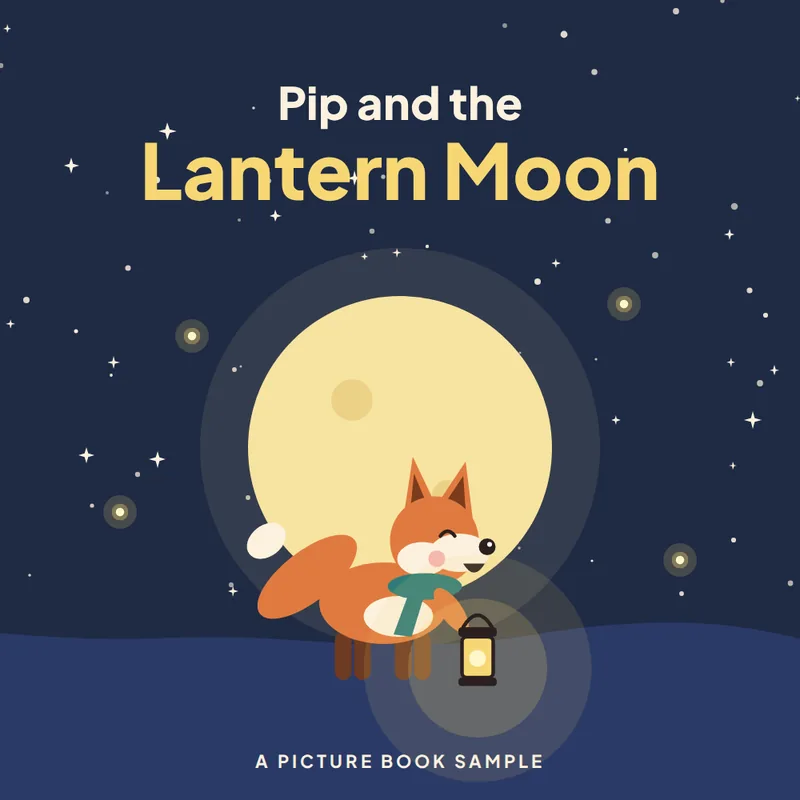
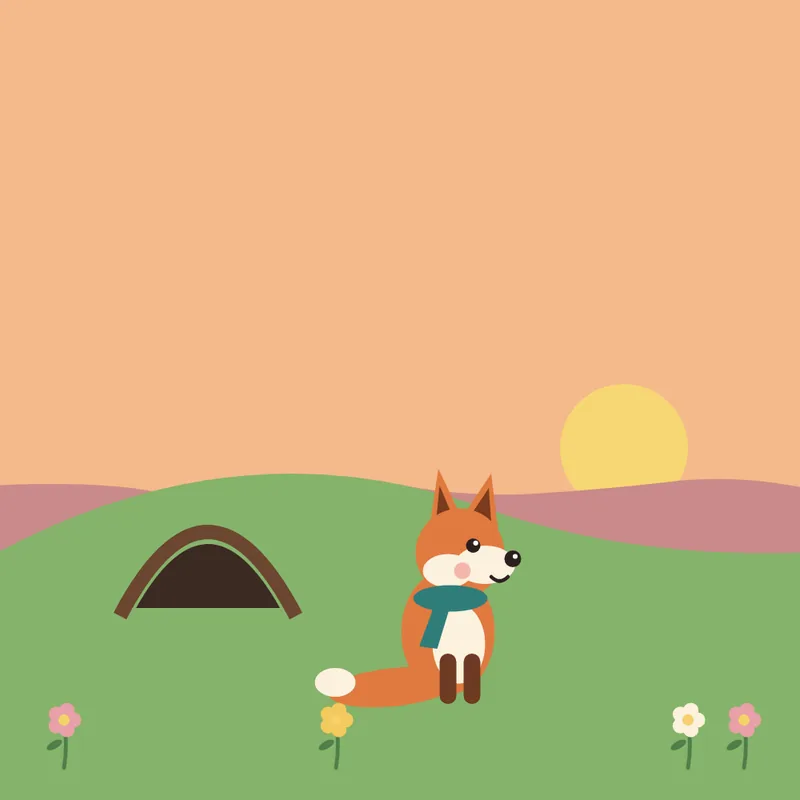
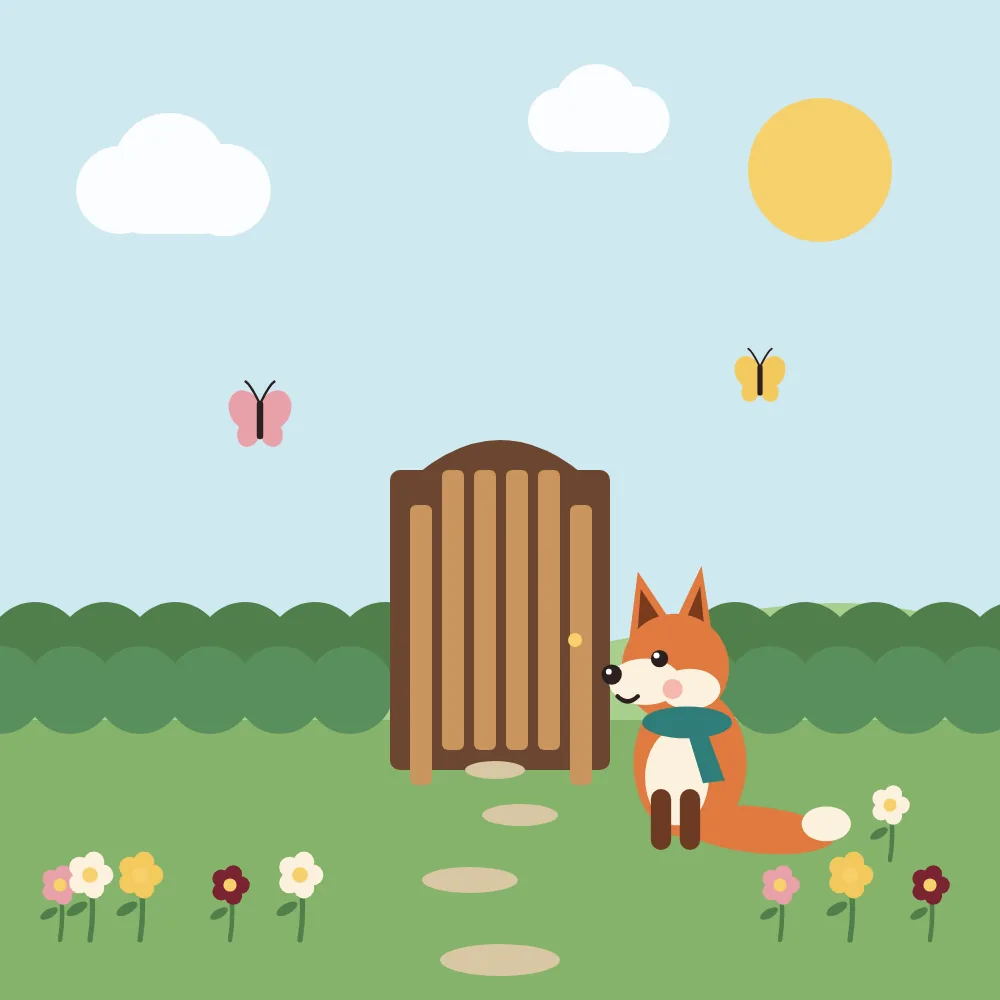
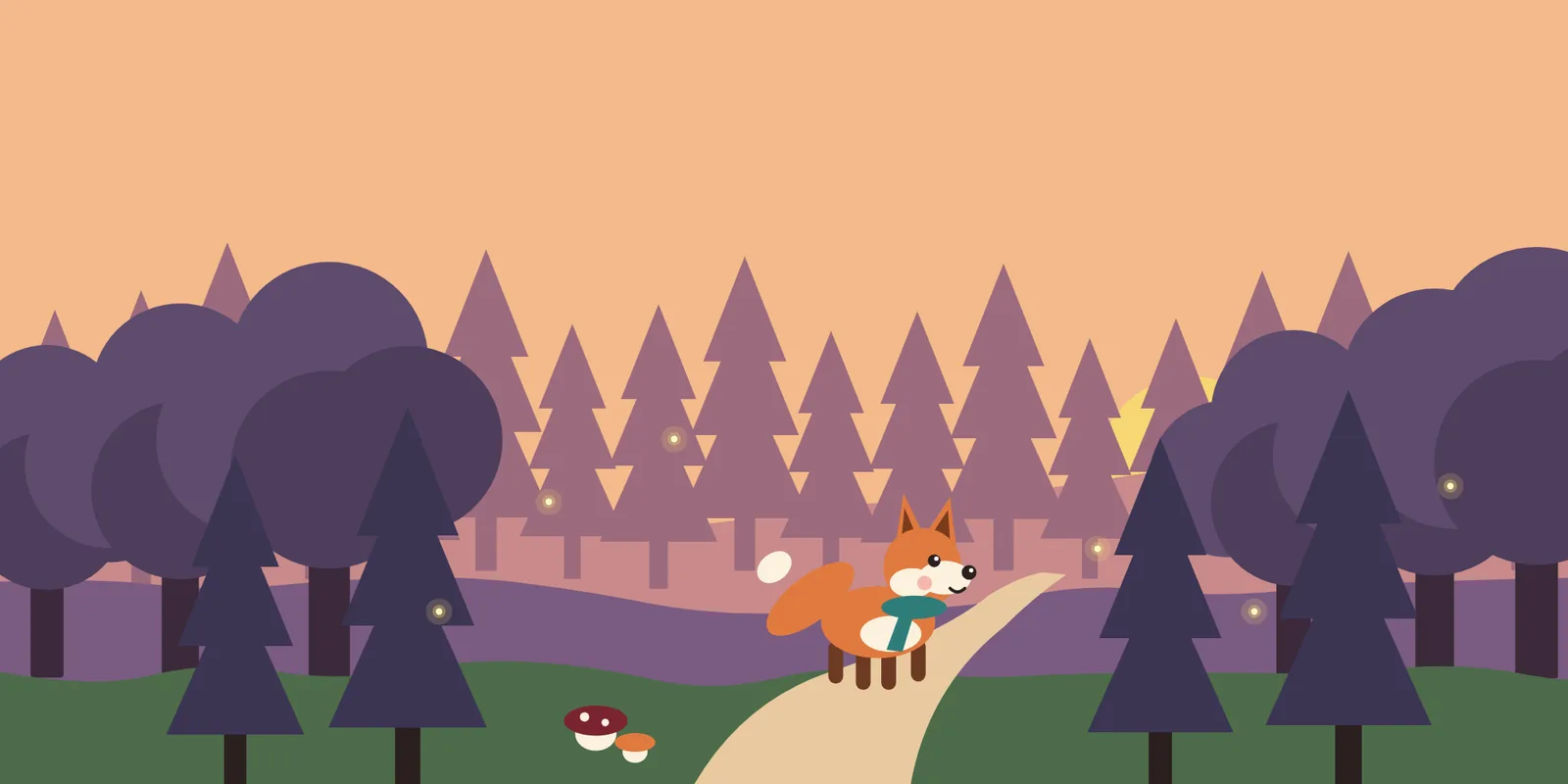
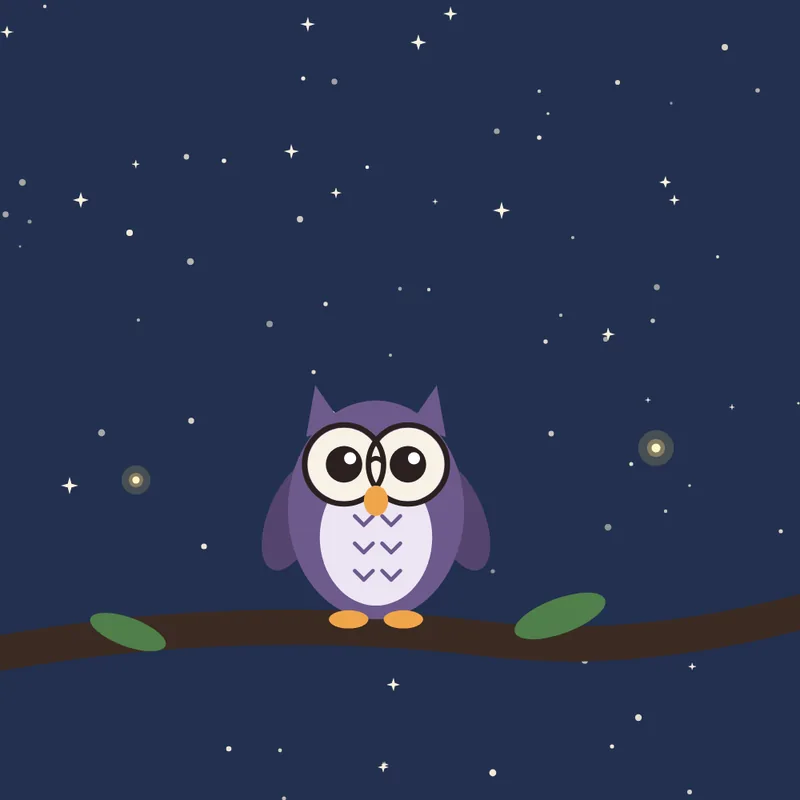
At the edge of Whispering Woods lived a small fox called Pip, who was afraid of only one thing: the dark.
Click the pages, use the arrows, swipe, or press ← → to turn.
Enter your image size and printed size to check the effective resolution — and what you need for sharp print.
Every illustration we deliver is drawn at 300 DPI or higher for its final printed size, with bleed where the art touches the edge.
Talk to an illustratorThree approval points mean no surprises.
Scenes, references, style preferences and where each piece will sit in the book.
Composition, pose and framing for your approval. Big changes are easy at this stage.
Clean line work, then final colour or black-and-white rendering in your chosen style.
Print-ready 300 DPI files, web versions for marketing, and placement guidance for your formatter.
Illustration is priced per piece, based on size and detail. Bundling several pieces usually lowers the cost per illustration.
Authors are right to be careful — the industry has plenty of companies that over-promise. Here's exactly how we work.
Your KDP, IngramSpark and ACX accounts are created in your name, so royalties are paid straight to you.
You pay in stages tied to work you have seen and approved, never the whole fee up front for large projects.
Copyright, files and ISBNs (when you buy your own) belong to you. You receive editable source files.
Anyone who guarantees bestseller status or sales is guessing. We give you honest forecasts and the reasoning behind them.
A plain-English agreement lists deliverables, revision rounds and dates, so nothing is left to memory.
We are an independent author-services team. We never claim to be Amazon, KDP or any retailer.
“The map at the front of my fantasy novel is what readers mention most in reviews. My illustrator translated my world-building notes into something readers actually use.”
“I started with spot art for my chapter headers to keep costs down. The sketch approval process meant zero surprises — what I approved is exactly what I got.”
“Two spreads for the climactic scenes completely changed how readers experience the book. The illustrator captured the exact mood I was after.”
Spot art and chapter headers, half- and full-page scenes, two-page spreads, maps, character sheets and non-fiction diagrams, in black and white or full colour.
Always. Every illustration goes through sketch approval before rendering begins, so composition and poses are agreed first.
A set of spot illustrations often takes two to four weeks. Detailed full-colour scenes and maps take longer. You get a schedule with your quote.
You receive the rights to use the art in your book, editions and marketing. Terms are written into your agreement, including any merchandise or film use you want to add.
Yes — see our children's book publishing service, which covers the whole picture book: story edit, illustration, layout and publishing.
No. Our illustrators draw every piece. That matters for consistency, for copyright, and because readers increasingly notice AI art.
Tell us which scenes matter most. We'll recommend formats and quote per piece.
Share your project and we'll suggest the right formats, number of pieces and a fixed per-piece quote.
Prefer to talk it through?
Pick the question closest to your situation. You'll get a straight answer here — and you can take it further with your own AI assistant if you'd like a second opinion.
Still unsure? Ask a real consultant — it's free and there's no obligation.
There's no rule. Chapter-header motifs, a map, and a handful of full-page scenes at turning points is a common, affordable approach.
300 DPI at the final printed size, plus 0.125" bleed on any edge the art touches. A 6" × 9" full-bleed page needs about 1875 × 2775 pixels.
Colour interiors cost much more to print. Many novels use black-and-white interior art with a full-colour cover to keep the cover price sensible.
Yes, and it helps the book feel cohesive. The designer then handles typography and layout on top of the art.